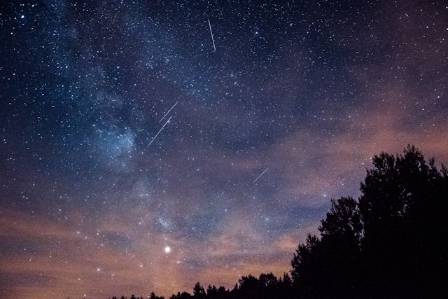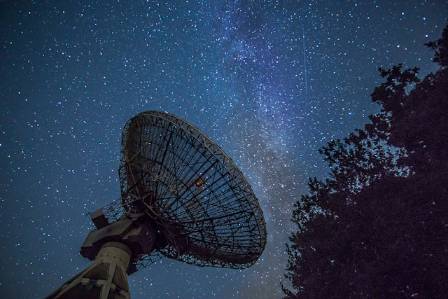
Telescopes are among humanity’s most powerful tools for exploring the unknown. They transform faint light from distant galaxies—mere sparks in the sky—into rich data about stars, planets, and the very origins of the universe. With modern space telescopes like Hubble and the James Webb Space Telescope (JWST), we can now peer deeper and clearer than ever before. These “cosmic windows” have redefined what we know about space and opened new paths for discovery.
From Blurry Skies to Sharp Space
Before the launch of space telescopes, astronomers relied mostly on Earth-based telescopes. These were limited by weather, daylight, and atmospheric distortion. The launch of the Hubble Space Telescope in 1990 marked a turning point. Orbiting above the atmosphere, Hubble delivered high-resolution images that showed galaxies, nebulae, and star clusters in remarkable detail.
This breakthrough proved how powerful a clear view from space could be. Since then, newer instruments like the James Webb Space Telescope have taken this vision further.
Time Travel Through Light
Light takes time to travel through space. When telescopes capture light from distant stars and galaxies, they are essentially looking back in time. The farther the object, the older the light.
JWST, launched in 2021, was designed to look at some of the earliest galaxies that formed after the Big Bang. Using infrared technology, it can detect light that has traveled for over 13 billion years. This lets scientists study the early universe—and understand how stars, galaxies, and planetary systems formed.
Discovering New Worlds
One of the most exciting uses of space telescopes is the search for exoplanets—planets that orbit stars outside our solar system. Instruments like Kepler and JWST use the "transit method" to find these planets by detecting tiny dips in a star’s brightness when a planet crosses in front of it.
These methods have already uncovered thousands of planets. Some are located in the “habitable zone,” where conditions might support life. Every point of light in the sky could potentially be a new world.
Seeing the Invisible
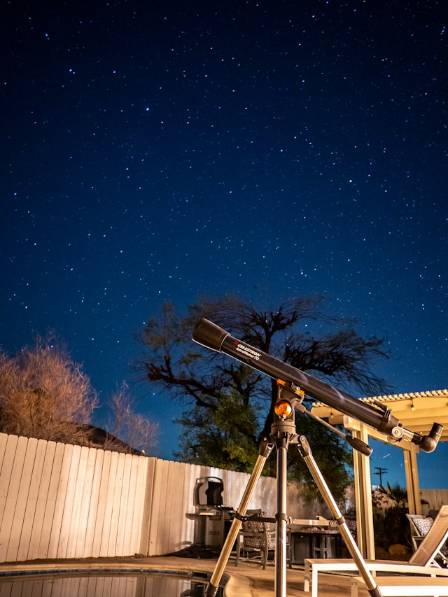
Modern telescopes go beyond visible light. They can detect ultraviolet, infrared, and other wavelengths of radiation that are invisible to the human eye. This ability allows astronomers to study things like the composition of planetary atmospheres, the birth of stars inside gas clouds, and the structure of distant galaxies.
With multi-wavelength imaging, scientists can build a fuller picture of cosmic objects—and sometimes spot things they never expected.
A New Era of Exploration
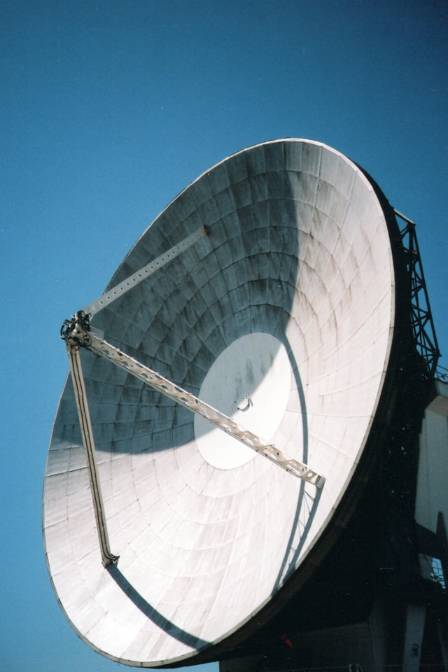
Space telescopes have turned distant cosmic sparks into detailed, meaningful discoveries. They continue to expand our understanding of the universe and challenge what we think is possible.
As technology advances, telescopes will become even more precise and far-reaching. What we see now is just the beginning. The universe is full of hidden worlds waiting to be revealed—and space telescopes are our window into that vast unknown.