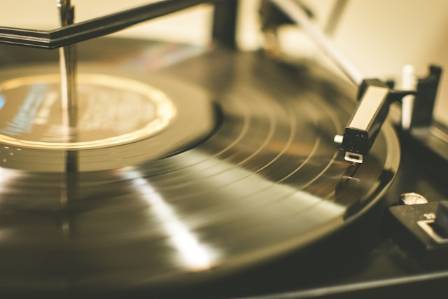
Before the late 19th century, if you wanted to enjoy music, you had to attend a concert or play it yourself. That all changed in 1887 when Emile Berliner introduced the gramophone, a flat-disc sound player that transformed the way people experienced music. Unlike earlier machines that used fragile cylinders, Berliner’s design was more practical, easier to reproduce, and perfect for wide distribution.
The First Spin into History
The earliest models used discs coated in tin foil, capturing sound waves through grooves etched into the surface. A needle traced these grooves, and the resulting vibrations were amplified through a horn. It may have sounded scratchy by today’s standards, but for listeners back then, it was nothing short of magical.
Music for the Masses
As gramophones became easier to produce, companies like Columbia and Victor began turning them into household staples. Families gathered around the device not just for music, but also for news, comedy recordings, and speeches. For the first time, entertainment could be replayed at home, setting the stage for a brand-new music industry.

Redefining the Sound of Music
With the ability to record and replay sound, musicians suddenly had opportunities to reach audiences far beyond concert halls. Genres like jazz, blues, and eventually rock found eager fans through records. Producers also experimented with layering sounds and testing new techniques, planting the seeds for modern studio recording.
Inside the Machine
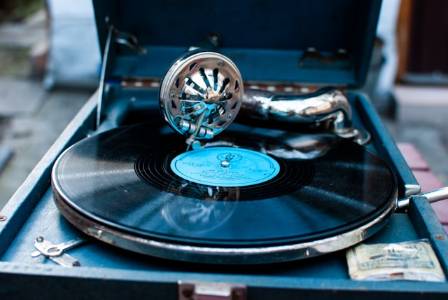
A gramophone wasn’t complicated, but its parts worked together brilliantly. A rotating turntable spun the record, powered by either a hand crank or motor. The needle rode the grooves, sending vibrations to a diaphragm, which translated them into sound. A horn or speaker then projected those vibrations into the room, filling it with music.
Styles of Gramophones
Over time, variations appeared. Mechanical versions relied on manual winding, while electric models made listening easier. Portable designs brought music on the move, and automatic players could spin multiple records without interruption. Each innovation expanded how, where, and when people could enjoy their favorite tunes.
Beyond the Living Room
The gramophone didn’t just entertain—it shaped culture. It made music accessible to people from all walks of life, creating shared listening experiences and fueling the popularity of new genres. By the 20th century, recorded sound wasn’t just a novelty; it was part of everyday life.
Lasting Influence
Though eventually replaced by radios, cassette players, and digital devices, the gramophone’s impact still echoes today. Vinyl collectors cherish its warm sound, while its influence on modern audio technology is undeniable. Without those first scratchy grooves, the way we enjoy music today—from streaming apps to high-fidelity systems—might never have existed.
Conclusion
The gramophone was more than a quirky invention with a big horn—it was a cultural game-changer. By making recorded music widely available, it reshaped how people listened, shared, and valued sound. Even now, its legacy spins on, reminding us of a time when dropping a needle onto a record felt like opening a window to a whole new world of music.