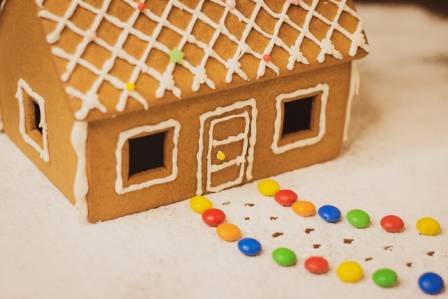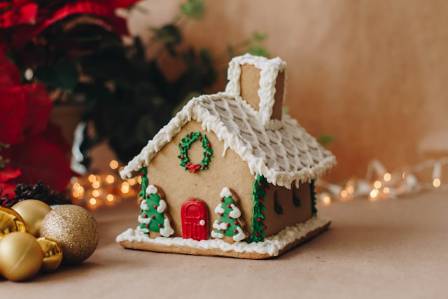
Creating gingerbread structures is a beloved tradition that surfaces every holiday season. While many approach this craft as a casual, festive activity, it can also be treated as a highly disciplined art form suitable for competitive exhibitions. Success in gingerbread competitions often depends on whether the entry is judged by a professional panel or by popular vote. A panel typically rewards intricate technical details and craftsmanship, whereas a general audience is often drawn to "curb appeal" and whimsical themes that resonate with children. Transitioning from a hobbyist to a serious competitor requires an obsession with detail and a strategic approach to architectural design.
Over several years of high-level competition, certain patterns and reliable methods emerge that ensure a structure is both stable and visually captivating. Whether you are building a complex Victorian-style estate or a themed birdhouse, the goal is to create a seamless blend of structural integrity and creative confectionery work. Achieving a first-place finish requires moving beyond basic kits and developing a personal "signature" style through the clever use of edible materials.
Essential Building Materials and Structural Foundations
A successful build begins with a well-stocked pantry of versatile ingredients that serve both functional and decorative purposes. Stability is the most critical factor in gingerbread construction; therefore, having a variety of edible "lumber" is necessary to support the weight of heavy roofs and walls. Graham crackers and pretzel rods are indispensable for this purpose. Graham crackers provide a perfectly flat surface for constructing decks, stairs, and signage, while sturdy pretzel rods can function as structural pillars, firewood, or log-cabin-style siding.
Adhesion is the second pillar of construction. Royal icing is the "mortar" of the gingerbread world, and it is impossible to overstate how much you will need. Keeping a vast supply of powdered sugar on hand is mandatory to ensure you can mix batch after batch of thick, cement-like icing to lock your panels in place. Without a strong adhesive, even the most beautiful house will fail to withstand the duration of a multi-day competition or display.
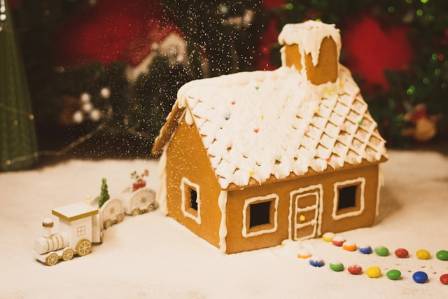
Creative Texturing and Confectionery Details
Once the skeleton of the house is secure, the focus shifts to the artistic application of sweets to create realistic textures. Nuts are among the most effective materials for adding sophisticated detail. Peanuts, pecans, and slivered almonds can be painstakingly layered to create convincing shingles for a rustic roof or stone-like patterns for a chimney. These natural elements provide a muted, professional aesthetic that often impresses judging panels more than bright, artificial candies.
For landscaping and external fixtures, traditional holiday treats can be repurposed in clever ways. Sugar-style ice cream cones are the most efficient base for creating evergreen trees, but they can also be inverted and decorated to serve as turrets or elegant planters. Candy canes are another versatile staple; their rigid, vertical shape makes them ideal for lamp posts, fence pickets, or classical columns. Finally, a variety of holiday-themed sprinkles and small candies can be used to add the finishing touches of color and sparkle that bring the entire miniature world to life.