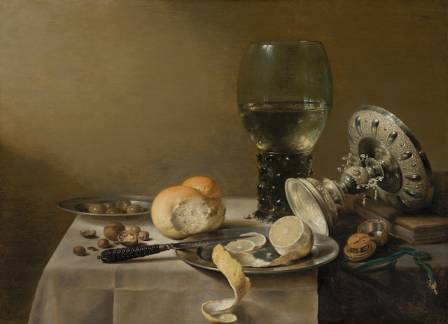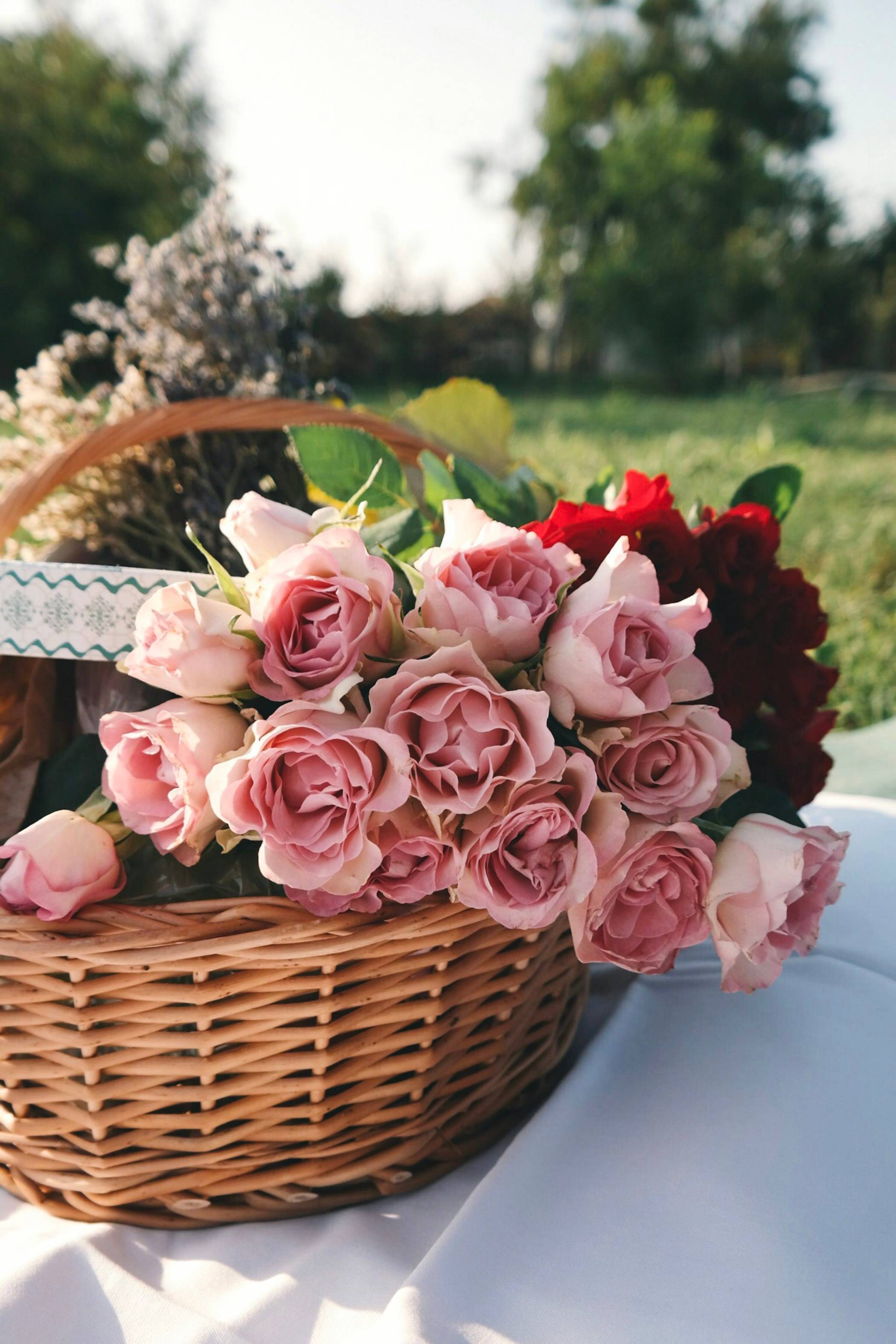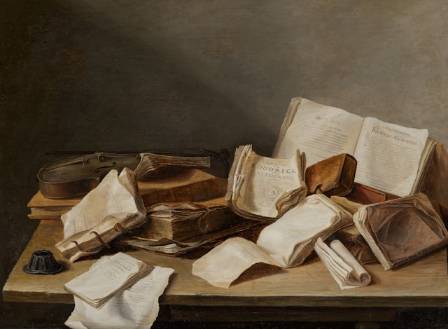
The difference between a lackluster collection of objects and a powerful work of art often lies in the initial arrangement. Unlike landscape painting, where an artist must edit an existing scene, still life offers the total creative freedom to build a world from scratch. This autonomy allows you to dictate the narrative, mood, and visual flow of the piece. By applying intentional design principles, you can transform ordinary items into a cohesive and captivating masterpiece.
Defining Your Artistic Intent
Every great painting begins with a clear objective. Ask yourself what you want to communicate through your work. Are you highlighting a specific "star" object, like a vintage vase or a delicate flower, or are you exploring a broader theme? Your intention doesn't always have to be a literal story; it can be a study of the relationships between various colors, textures, or shapes. Once you identify the element that excites you most, build the rest of the arrangement around it to ensure a unified message.
Utilizing the Power of Contrast
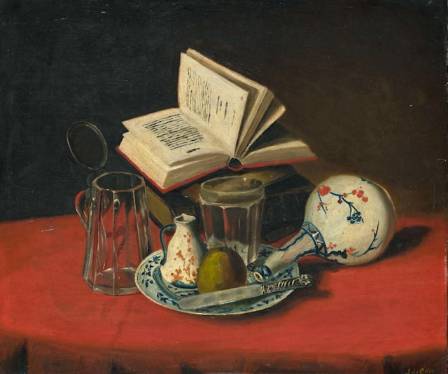
Contrast is the engine that drives visual interest. You can tell your story by emphasizing differences in color, such as pairing dominant cool tones with a small pop of a warm complement. Value contrast—the range from bright lights to deep shadows—is equally vital. A wide value range creates drama and mood, while a narrow range suggests subtlety and softness. Additionally, consider contrasting textures, such as the juxtaposition of a sleek, reflective ceramic jar against the soft, matte petals of a rose. Including a mix of light and dark, as well as vivid and dull elements, ensures the composition remains engaging.
Controlling Light and Focus
Lighting functions as the "director" of your painting, establishing the center of interest and providing overall unity. A consistent light source creates a common temperature and intensity across the scene, whether you prefer the sharp drama of a spotlight or the gentle diffusion of natural window light. Generally, the focal point should be the most well-lit area to naturally draw the viewer's eye. By strategically placing highlights and shadows, you define the three-dimensional form of your objects and set the emotional tone of the piece.
Guiding the Viewer’s Eye
A successful still life is designed with a specific "path" for the eye to follow. Consider how the viewer will navigate the canvas—perhaps in an S-curve, a circular motion, or an L-shape. You can direct this movement using various visual "pointers," such as the stem of a flower, the edge of a cloth, or the directional line of a utensil. Repetition of color is another effective tool; by placing similar hues in different areas, you encourage the eye to travel across the composition. Shadows also play a role here, acting as shapes that can "corral" the viewer’s attention and keep it within the frame.
Placement and Negative Space
When arranging objects, think in terms of "color shapes" rather than literal things. Start with your primary subject and place secondary items in relation to it, aiming to group similar values together to create solid, impactful masses. Overlapping objects can help prevent the scene from feeling fragmented. It is also essential to provide "breathing room" or quiet space. Sometimes, the act of removing an object is more beneficial than adding one, as negative space allows the key elements to stand out without competing for attention.
Principles of Repetition and Variety
Balance in design often requires repetition tempered by variety. Avoid placing two objects of the same size and shape side-by-side, as this can lead to visual stagnation. Using odd numbers—such as one or three fruits instead of two—tends to feel more dynamic and less predictable. If you are painting multiples of the same item, such as a bouquet of flowers, vary their orientation and height. Having blooms face different directions adds a sense of naturalism and keeps the viewer’s interest active.
Selecting the Right Format
Finally, consider the orientation of your canvas. The choice between a vertical, horizontal, or square format should support the flow of your arrangement. For instance, a tall, slender arrangement of gladiolus often benefits from a vertical format that emphasizes its height. Experimenting with different crops by photographing your setup can help you determine which orientation best delivers the feeling you wish to evoke. By approaching still life with a deliberate design sense, you move beyond merely documenting objects and begin creating a deliberate, powerful work of art.