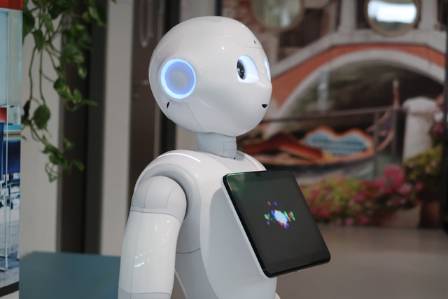
The 2023 AI for Good Global Summit is scheduled to take place in Geneva from 6–7 July. Over 40 advanced robots are set to be featured in the Robotics for Good exhibition, demonstrating how autonomous robots can help advance the United Nations’ Sustainable Development Goals (SDGs).
In this blog series, we introduce some of the participating robots and highlight their contributions to the SDGs.
Episode 3: Assistive Robots
Assistive robots are designed to aid individuals with disabilities or limitations in daily life. These robots can support tasks such as mobility, communication, and self-care. While their designs vary to meet specific needs, the overarching goal is to reduce barriers and give users greater independence and confidence in daily activities.
Here are seven assistive robotic technologies that will be showcased at the 2023 Summit:
RELab Tenoexo: Developed by the Rehabilitation Engineering Laboratory (RELab) at ETH Zurich, this wearable robotic hand orthosis assists individuals with sensorimotor hand impairments in opening and closing their hands. The device offers customizable controls, including pushbuttons, voice commands, and mobile applications, making it adaptable to different rehabilitation needs. A pediatric version allows children to use it for therapy sessions.
ReHandyBot: Also from RELab, this tabletop robotic system aids hand rehabilitation following neurological injuries. With two active degrees of freedom, it trains grasping and forearm pronosupination. A virtual reality interface enhances engagement by allowing users to manipulate objects while receiving tactile feedback, enabling independent use and complementing traditional therapy.
iReCHeCk: Developed by EPFL’s CHILI Lab, this project teaches children handwriting through a “learning by teaching” approach. Children guide the robot as it practices writing, simultaneously improving their own skills. The robot tracks progress, giving teachers and therapists valuable insights into learning outcomes and metacognitive development.
Haru: Designed by the Honda Research Institute, Haru is a social robot that communicates emotions and fosters interaction, creativity, and collaboration. Haru encourages children to engage in self-expression, discussion, and community sharing, promoting values like diversity, empathy, and inclusion.
QT Robot: Indiana University Bloomington’s QT project helps older adults cultivate purpose, social interaction, and meaningful activities. Using a commercially available robotic platform, researchers personalize the robot’s interactions based on co-designed perception models, benefiting both older adults and their caregivers.
Buddy: Created by Blue Frog Robotics, Buddy is an emotional companion robot capable of expressing a wide range of emotions. Buddy assists with education, entertainment, and elderly care. It helps autistic children develop social skills and has already been used in schools across France. Its open platform allows for scalable development of new applications.
Furhat: Developed by Furhat Robotics, Furhat is a highly adaptable social robot that can be customized in appearance, language, and behavior. Its conversational AI uses advanced speech recognition, computer vision, and dialogue management. The robot comes with a software development kit, enabling creation and deployment of interactive applications.
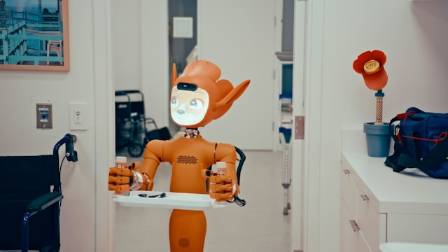
Assistive Robots Supporting the SDGs
Assistive robots contribute to multiple SDGs, particularly SDG 3: Good Health and Well-Being. Devices like ReHandyBot accelerate rehabilitation and help patients regain hand function more quickly. RELab Tenoexo assists individuals with spinal cord injuries, improving their independence in daily tasks. QT Robot helps reduce social isolation among older adults, while Buddy provides companionship, cognitive stimulation, and daily assistance, mitigating risks linked to loneliness and depression.
Assistive robots also advance SDG 4: Quality Education. Haru promotes social-emotional learning through interaction and self-expression. Furhat enhances classroom engagement, language learning, and special education through customizable conversational capabilities. Buddy and iReCHeCk provide interactive and hands-on learning experiences, helping children develop skills and maintain engagement.
These robots also help achieve SDG 10: Reduced Inequalities. By accelerating recovery and supporting inclusion, assistive devices enable individuals with health or mobility challenges to participate fully in society. QT Robot, Haru, and RELab’s devices help create more equitable access to opportunities and daily activities.
Conclusion
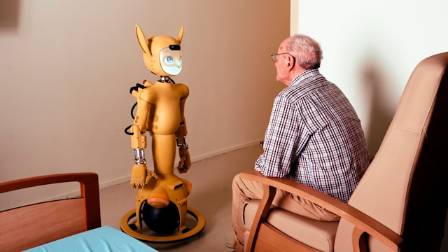
Assistive robots have significant potential to advance several SDGs by enhancing health and well-being, supporting quality education, and reducing inequalities. As technology evolves and more innovative devices emerge, it will be essential to continue exploring their impact on achieving the United Nations’ Sustainable Development Goals.