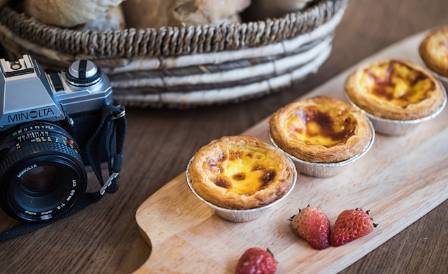
While various types of egg tarts exist globally, the Hong Kong-style tart, or daan tat, is distinct for its smooth, glassy appearance and delicate flavor. Unlike the caramelized, yolk-heavy Portuguese pastéis de nata, the Hong Kong version uses whole eggs and milk to create a lighter custard that remains unblemished after baking. Understanding these nuances is the first step toward replicating the authentic bakery experience in your own kitchen.
Selecting and Handling the Pastry
The signature of a traditional daan tat is its intricate, multi-layered crust. While achieving the perfect Chinese puff pastry—which involves laminating "oil dough" and "water dough"—can be a rigorous process for beginners, it is the key to a tender yet crisp finish. For those seeking a more accessible entry point, high-quality store-bought puff pastry or even frozen tart shells serve as reliable substitutes that still deliver a satisfying texture.
Regardless of the dough you choose, temperature management is paramount. The fats within the pastry must remain cold to prevent them from melting into the flour, which would result in a dense, tough crust instead of flaky layers. It is advisable to chill the dough for at least 30 minutes between every few folds. Additionally, avoid rolling the dough too thin or pressing all the way to the edges of the sheet, as this can seal the layers and prevent the pastry from rising properly in the oven. Utilizing a silicone mat during the rolling process can help prevent tearing and minimize the need for excess flour.
Creating a Flawless Custard Filling
The appeal of the Hong Kong egg tart lies in its simplicity. The filling typically highlights the natural richness of eggs and sugar, sometimes accented with a hint of evaporated milk for creaminess. To ensure the custard is professional-grade, the mixture should be strained through a fine sieve before baking. This critical step removes air bubbles and any stray bits of egg protein, ensuring the final surface is perfectly level and reflective.
When preparing the filling, be cautious with temperatures; if your recipe requires dissolving sugar in warm liquid, allow that liquid to cool significantly before incorporating the eggs to avoid accidentally "scrambling" the mixture. The goal is a uniform, pourable liquid that will set into a silky solid during the baking process.
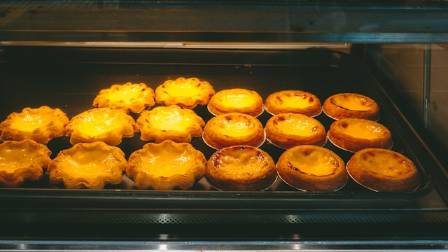
Traditional Shapes and Baking Science
While professional bakeries use fluted tin molds, a standard muffin tin is a functional alternative for the home cook. When cutting your pastry circles, use a cutter slightly larger than the diameter of your tin and aim for a thickness of about five millimeters. To maintain the best texture, try to cut your shapes efficiently the first time, as re-rolling pastry scraps more than once can lead to a loss of flakiness.
Baking these tarts requires a delicate balance of heat. While puff pastry generally needs high temperatures to expand, excessive heat can cause the custard to swell and then collapse unappealingly upon cooling. To mitigate this, place the oven rack in a lower position. This allows the crust to receive intense heat quickly while protecting the delicate filling. Leave a small amount of space at the top of each tart to allow for slight expansion, and use a gentle "jiggle test" to confirm the center is set before removing them from the heat.
Optimal Cooling, Storage, and Serving
To prevent the custard from sinking, allow the tarts to cool gradually. Turning off the oven and cracking the door for a few minutes allows the temperature to drop slowly, helping the filling settle evenly. While egg tarts are best enjoyed fresh and warm, they can be stored in the refrigerator for about 24 hours. If you find yourself with leftovers, avoid the microwave, which will turn the pastry soggy. Instead, use an air fryer or a toaster oven for a few minutes at a high temperature to restore the crust's crispness without overcooking the center.
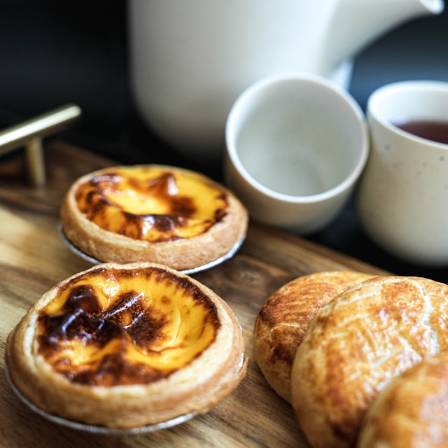
These tarts are remarkably versatile and suitable for any time of day. Because they are protein-rich and only moderately sweet, they are as common for breakfast alongside a cup of tea as they are for a post-dinner treat or a mid-afternoon snack.