Choosing a piece of Vietnamese traditional clothing—whether the globally recognized Áo Dài or a regional specialty like the Áo Bà Ba—is an exercise in appreciating history, textile art, and cultural etiquette. These garments are designed to balance grace with modesty, and finding the right one requires attention to fabric quality, structural fit, and the specific occasion for which it is intended. For international visitors, selecting a garment that respects local traditions while providing a flattering silhouette involves a few key considerations regarding material and construction.
Selecting the Perfect Áo Dài: Fit and Fabric
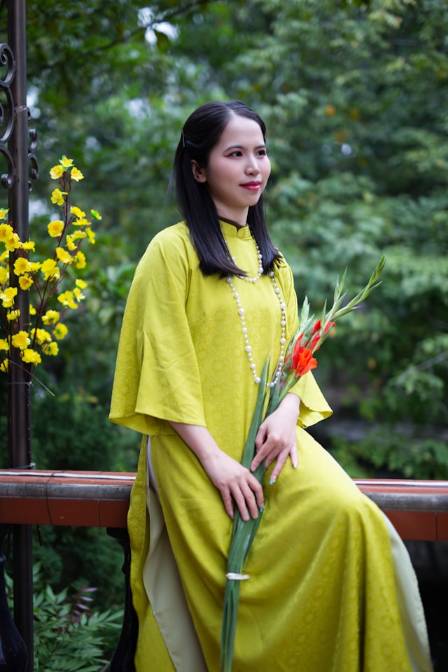
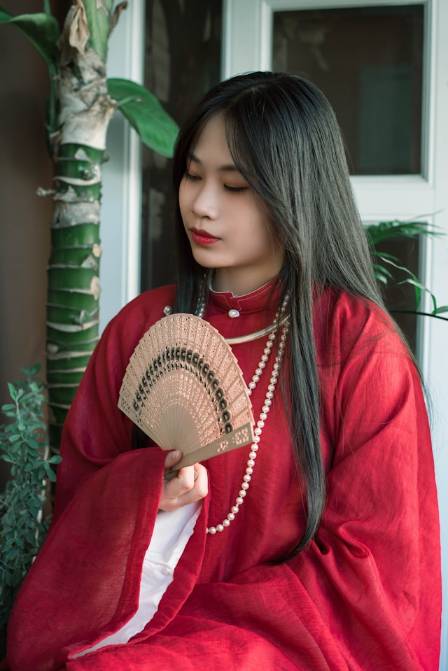
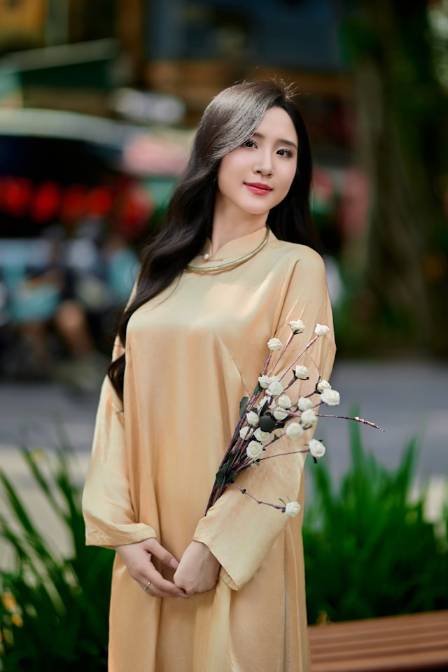
The Áo Dài is the definitive symbol of Vietnamese elegance, characterized by its long, split tunic worn over flowing trousers. When selecting an Áo Dài, the fabric is the most critical starting point. Traditionally, silk is the preferred medium due to its superior drape and breathability, which is essential in Vietnam's tropical climate. High-quality Vietnamese silk, often sourced from specialized weaving enclaves like Vạn Phúc, offers a subtle luster and a soft hand-feel that mass-produced synthetic alternatives cannot replicate. For a more structured look, brocade or velvet may be chosen, while chiffon and lace have become popular for modern, lightweight variations.
The fit of an Áo Dài should be precise but not restrictive. A well-tailored tunic should skim the torso and chest closely, with the side slits starting exactly at the wearer's natural waistline to ensure a long, lean visual line. The trousers should be wide-legged and long enough to just touch the tops of the shoes, creating a fluid motion when walking. While ready-to-wear options are available in major cities like Hanoi and Ho Chi Minh City, opting for a custom-tailored garment in a center like Hội An allows for a personalized choice of collar styles—ranging from the traditional high stand-up collar to modern boat or scoop necks—ensuring the garment complements your frame perfectly.
Understanding Regional Styles and Cultural Etiquette
Beyond the national dress, choosing a garment that reflects a specific region of Vietnam can add a layer of cultural depth to your wardrobe. If you are looking for something practical and comfortable, the Áo Bà Ba of the Mekong Delta is an excellent choice. This collarless, button-down shirt is typically paired with loose black trousers and is prized for its simplicity and resilience. Conversely, the Áo Tứ Thân of the north offers a more historic, layered aesthetic, often featuring earthy tones and paired with a colorful silk sash.
When selecting your garment, pay close attention to color symbolism. Red is the most prestigious color, synonymous with luck and prosperity, and is the standard for brides and grooms. If you are purchasing an outfit to wear as a guest to a Vietnamese wedding, it is considered polite to avoid solid red to ensure the couple remains the center of attention. White is frequently associated with purity and is the iconic choice for high school students, while pastels and floral prints are versatile options for festivals and daily professional wear. For men, the Áo Dài is typically worn in darker, more robust fabrics with a looser cut, often reserved for the Lunar New Year or formal ceremonies.
Identifying Quality Craftsmanship and Authentic Details
The value of Vietnamese traditional clothing is found in the details of its creation. When evaluating a garment, look for signs of hand-embroidery and intricate beading, which are hallmarks of artisanal quality. Authentic ethnic minority costumes, such as those from the Hmong or Dao groups, utilize complex techniques like beeswax batik and natural indigo dyeing. These items should feel substantial and may have a unique, slightly earthy scent from the natural dyes used. High-quality handwoven textiles will often have slight, natural irregularities in the weave, which signify the human element behind the loom.
Proper maintenance is vital to preserving these delicate items. Silk and hand-embroidered garments should be hand-washed or dry-cleaned to prevent damage to the fibers. If you are purchasing silk fabric to bring home, ensure it is stored in a breathable cotton bag rather than plastic to prevent moisture buildup. By focusing on high-quality materials and respectful color choices, you can acquire a piece of Vietnamese heritage that is both a beautiful fashion statement and a lasting tribute to the country’s artistic traditions.