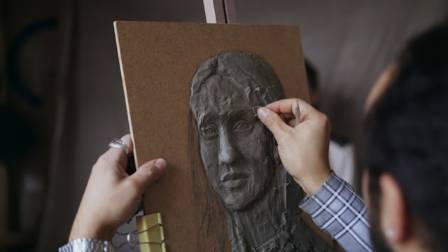
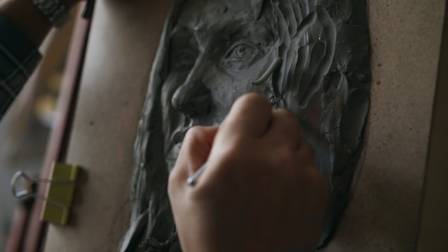
Clay, with its inherent malleability and tactile charm, has been a beloved medium for artists for millennia. From the ancient figurines squeezed by hand to modern large-scale installations, clay sculpture offers unlimited possibilities for expression. It allows artists to build, shape, and infuse emotion into every form—whether delicate or bold, intimate or grand. Yet, this very malleability can present challenges: supporting structures during creation, managing shrinkage during firing, and translating creative visions into tangible forms. To help ceramic artists navigate these hurdles and expand their creative toolkit, we’ve curated essential clay sculpture tips and spotlighted two distinctive techniques from renowned ceramic sculptors Susan O’Byrne and Jo Taylor. Their approaches—rooted in personal expression and technical ingenuity—offer inspiration for both beginners and seasoned artists looking to elevate their craft.
The Essence of Clay Sculpture: Building with Intention
Clay sculpture is fundamentally defined by “building up” rather than subtracting (the latter being more associated with stone carving). This additive process is inherently expressive, relying at its core on the artist’s hands as the primary tools. Its scope is vast: it can be an intimate act, where tiny figurines are shaped between thumb and forefinger, or a dynamic, full-body experience, where wet clay is hurled onto a structure to build form. Clay sculptures span every scale and style—from delicate animal figurines with intricate details to monumental outdoor pieces that interact with their environment. What unites all clay sculpture is its reliance on the medium’s plasticity—the ability to bend, stretch, and hold shape when wet, then harden permanently through firing. This versatility allows artists to capture movement, emotion, and organic texture, making clay a medium that bridges the gap between imagination and reality. Whether working quickly to seize a fleeting idea or slowly refining details over time, clay sculpture is a dialogue between the artist and the material, each guiding the other.
Essential Clay Sculpture Tips for Success
Mastering clay sculpture requires a mix of technical know-how and creative intuition. These practical tips address common challenges and help you work more confidently with the medium:
-
Choose the Right Clay: Any clay can be used for sculpture, but selecting the right type for your project is key. Grogged clay (clay mixed with sand or grog) is ideal for large-scale or structural pieces, as its coarse texture provides strength and reduces shrinkage cracks. Finer clays, such as porcelain or smooth stoneware, are better suited for small-scale work or pieces requiring intricate details, as they offer a smoother surface and greater precision. Experiment with different clays to find one that aligns with your working style—some artists prefer the gritty texture of grogged clay for bold forms, while others favor the softness of fine clay for delicate modeling. The tactile quality of clay is part of the creative process, so let your hands guide your choice.
-
Support Your Structure: Clay’s weight and malleability mean structures often need support during creation and drying. For small-scale pieces, use scrunched newspaper, foam blocks, or sponge pieces to prop up appendages (like arms on a figurine) or fill hollow areas. Building directly on a kiln shelf—using kiln props to support overhanging parts—simplifies transferring the piece to the kiln later, reducing the risk of damage. For larger or more complex works, construct internal supports as you build: think thin clay walls for hollow forms or wooden struts to reinforce vertical structures. The goal is to prevent sagging or collapse before the clay dries to a leather-hard state (when it’s firm but still slightly flexible).
-
Use Armatures for Stability: For large, complex sculptures—especially those with extended limbs or dynamic poses—a metal framework (armature) is essential. Armature wire (typically 12–16 gauge) is the base, often wrapped with chicken wire to add volume and support clay. Wooden dowels can be used for additional stability, such as supporting the torso of an animal sculpture. Artists often customize their armatures to fit the project: Susan O’Byrne, for example, uses nichrome wire for its durability at high firing temperatures, while others might use aluminum wire for lighter pieces. Remember to cover wires with paper or thin clay to allow for shrinkage—this prevents the clay from cracking as it dries and fires.
-
Prioritize Firing Safety: Any non-ceramic materials used as internal supports (like wood, paper, or plastic) that burn away during firing can release harmful fumes. Always ensure adequate ventilation in your kiln area—install an extraction fan if possible. Avoid using materials that contain toxic substances (such as treated wood or synthetic fabrics) inside sculptures. If using organic materials as temporary supports (like newspaper), ensure they are fully dried before firing to minimize smoke and fumes. Safety is non-negotiable, so familiarize yourself with the properties of all materials you incorporate into your work.
Technique 1: Susan O’Byrne’s Patchwork Porcelain Animals—Storytelling Through Texture
Irish-born artist Susan O’Byrne, now based in Glasgow, creates large-scale ceramic animals that serve as vessels for human emotion. Her work draws on the long history of animals in storytelling, legend, and folklore—using their forms to simplify the complexities of adult life. O’Byrne’s signature style is defined by a “certain awkward vulnerability” in her animals, achieved through a deeply personal process that blends structure and chance. Her technique involves building sculptures from a patchwork of printed and patterned porcelain paperclay, allowing the natural behavior of the material (shrinkage, warping) to shape the final form.
O’Byrne begins by constructing an armature from nichrome wire (chosen for its strength and resistance to high temperatures) to form the animal’s torso—legs are added later as separate structures. Each wire is wrapped in paper rods to accommodate shrinkage during drying and firing, preventing the clay from cracking as it contracts. She adds loops to the back wires, which extend through the clay wall; these loops allow the sculpture to be hung in the kiln, avoiding slumping at the peak firing temperature of 1260ºC (2300ºF). The armature is secured to wooden supports, and tubes of porcelain paperclay are added to form legs, creating a stable base. Next, she casts fine sheets of paperclay from slip (a liquid mixture of clay and water) on a plaster bat, applying these sheets to the armature to form a “skin.” A second layer of paperclay is added to reinforce the structure, and at this stage, she models key features like eyes and snouts.
The defining element of O’Byrne’s work is her use of patterned paperclay. She creates approximately ten large sheets by printing, drawing, and scratching into colored slips on a plaster bat, resulting in intricate, one-of-a-kind patterns. These sheets are then collaged onto the sculpture’s surface, like a patchwork quilt, adding texture and visual interest. What makes her technique unique is her embrace of chance: the natural twists of the wire armature and the shrinkage of the clay during firing dictate the animal’s final posture. “The element of chance in these processes is central to my work,” she explains. This willingness to let the material guide her results in sculptures that feel organic and authentic—each animal has a distinct personality, as if it has lived a life of its own. O’Byrne’s pieces resonate with viewers because they tap into universal emotions: vulnerability, curiosity, and quiet strength—all expressed through the form of an animal.
Technique 2: Jo Taylor’s Gestural Clay Fragments—Capturing Energy in Motion
Bath-based ceramicist Jo Taylor approaches sculpture as a sensory, rhythmical experience. Her technique begins with fragments of clay, each shaped by an instinctive hand gesture. Working with soft, grogged clay (chosen for its malleability and strength), Taylor forms rough coils and smears them onto a bisque (fired but unglazed) surface, adding more coils to create basic motifs. Each motif is unique—made quickly, without overthinking—reflecting the fluidity of her movement. Using wet fingers, she brushes the clay firmly, guiding it into the shape and direction of her gesture, capturing the energy of the moment in the material.
Taylor’s process is deeply physical: she describes the sensation of soft clay yielding to her touch as “pleasurable and rhythmic.” Each fragment is left to dry slightly (to a leather-hard state) before being removed and stored; later, she assembles these fragments by scoring (scratching the surface to create texture) and joining with slip, building up the final sculpture piece by piece. The grogged clay’s inherent strength allows her to create large-scale works without the need for extensive armatures, while its malleability supports her free-form approach. “The softness of the clay during the forming process remains apparent in the finished form,” Taylor says. “The fluid motion of the clay at the moment of its creation is captured and contained in the final rigid structure.”
The result is sculptures that feel alive with organic growth—twisting, curving forms that evoke the movement of plants, water, or even human bodies. There’s a sense of spontaneity to her work: no two pieces are the same, as each gesture is unique to the moment of creation. Taylor’s sculptures celebrate the process of making itself, highlighting the connection between the artist’s body, the clay, and the energy of the creative act. For her, sculpture is not just about the final object but about the journey—each fragment a record of a gesture, each join a bridge between moments of inspiration.
Embracing the Versatility of Clay Sculpture
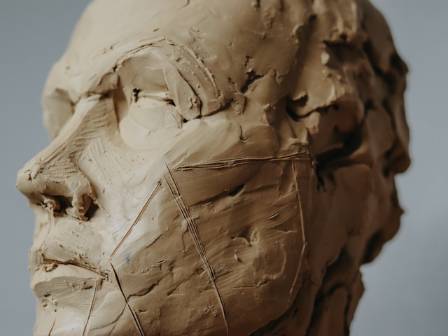
Clay sculpture is a medium of endless possibility, where technical skill and creative intuition converge. Whether you’re drawn to Susan O’Byrne’s storytelling through patterned paperclay or Jo Taylor’s gestural fragments, the key is to experiment, embrace the material’s quirks, and let your personal voice shine through. The tips shared here—choosing the right clay, supporting structures, using armatures, and prioritizing safety—provide a solid foundation, but the true magic happens when you adapt these techniques to your own vision.
Remember, clay is forgiving: mistakes can be reshaped, and happy accidents can lead to unexpected discoveries. Whether you’re sculpting a small figurine or a large-scale installation, let the tactile nature of clay guide you—feel its weight, its flexibility, and its response to your touch. Every press of the hand, every coil, every scrape of the tool is a form of expression. As O’Byrne and Taylor demonstrate, the best clay sculpture is not just about creating a perfect form but about capturing emotion, energy, and the essence of the material itself.
So, grab a handful of clay, experiment with these techniques, and let your creativity flow. The world of clay sculpture is waiting for your unique voice—one gesture, one fragment, one sculpture at a time.