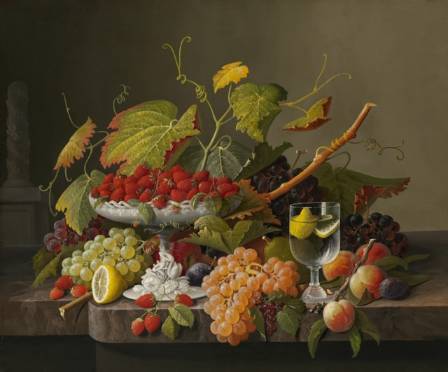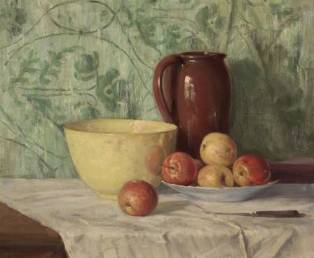
Capturing the essence of a still life on canvas is a pursuit cherished by artists of all skill levels. Whether you are picking up a brush for the first time or are a seasoned painter looking to refine your technique, this guide provides a comprehensive walkthrough for creating a vibrant composition featuring an arrangement of fruit, including a pineapple, an apple, and bananas. You will explore everything from essential equipment to color theory and the technical nuances of brushwork.
Selecting Your Artistic Supplies
Still life painting has remained a cornerstone of art history because it allows creators to find beauty in everyday household objects. Before beginning your masterpiece, it is vital to assemble the correct tools. While this specific demonstration utilizes oils, the principles apply equally to acrylic paints.
For those choosing oils, investing in professional-grade pigments is highly recommended. The superior lightfastness and blendability of artist-quality paints offer a significantly better experience than student-grade alternatives. Your choice of brushes should also be diverse; use flat and filbert brushes for bold, foundational shapes and textures, while reserving round, dagger, or synthetic brushes for intricate details. Finally, select a high-quality surface, such as Belgian linen or a well-primed stretched canvas, and ensure your workspace is well-ventilated.
Establishing a Harmonious Color Palette
A controlled and limited color palette is the secret to achieving professional color harmony. By restricting the number of tubes you use, you make the mixing process more intuitive and ensure the final piece feels cohesive. For this fruit arrangement, the following selection of oil colors is particularly effective:
-
Titanium White
-
Burnt Sienna
-
Yellow Ochre
-
Cadmium Yellow
-
Cadmium Red
-
Alizarin Crimson
-
Ultramarine Blue
-
Phthalo Green
To apply these colors effectively, you will want a range of brush sizes, typically including various flats (No. 2, 3, and 5), a No. 3 filbert, several small rounds for detail, and a 1/4-inch synthetic dagger for sharp edges.
Configuring the Lighting and Subject
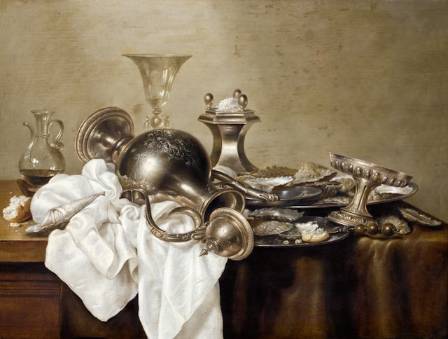
The atmosphere of your painting is dictated by how you light your subjects. One effective method for controlling the environment is creating a dedicated "lightbox" from a simple cardboard box with a side opening. By placing a consistent light source, such as a ring light, next to this opening, you can cast clear highlights, mid-tones, and shadows across the fruit.
This directional lighting is essential for creating a three-dimensional effect on the canvas. In this specific arrangement, the pineapple serves as the primary focal point, positioned slightly away from the center to create a more dynamic image. The curve of the bananas further helps guide the viewer's eye into the depth of the composition.
Fundamental Principles of Composition
A successful painting relies on a strong skeletal structure. Before applying paint, it is beneficial to sketch the placement of each object to ensure the proportions are accurate. One critical rule to keep in mind is to avoid placing your main subject directly in the dead center of the frame. Central placement often creates a static, uninteresting image that fails to engage the viewer’s eye. Instead, aim for a balanced but asymmetrical layout that encourages the gaze to move naturally throughout the artwork.