Introduction
As one of the three major genres of traditional Chinese painting (alongside landscape and figure painting), bird-and-flower painting occupies a revered position in the nation’s artistic heritage. Far beyond its literal name, this art form encompasses a rich and diverse range of subjects—from delicate blossoms, lush foliage, and towering bamboo to birds, insects, fish, and even small mammals. More than a mere depiction of nature, it is a profound expression of Chinese philosophy, aesthetics, and cultural values, blending meticulous observation of the natural world with symbolic storytelling and spiritual pursuit. For millennia, bird-and-flower painting has served as a bridge between humans and nature, allowing artists to convey their emotions, beliefs, and aspirations while inviting viewers to appreciate the beauty of life and cultivate moral virtues. This article explores the definition, core spirit, techniques, historical evolution, and cultural significance of bird-and-flower painting, uncovering the timeless charm that has made it a beloved art form across generations.
Definition and Core Spirit: Truth, Symbolism, and Spiritual Resonance
Bird-and-flower painting is defined by its broad thematic scope and deep philosophical underpinnings. Contrary to the narrow implication of its name, it includes not only birds and flowers but also a wide array of plants (such as bamboo, orchids, chrysanthemums, plum blossoms, lotus, and pine) and creatures (including fish, butterflies, bees, crickets, and rabbits). At its core, the genre adheres to the principle of “learning from nature externally and drawing from one’s inner spirit internally” (wai shi zao hua, zhong de xin yuan), emphasizing both realistic portrayal and spiritual expression. Artists strive to capture not only the physical characteristics—such as the texture of petals, the posture of a bird, or the sway of bamboo—but also the inherent “spirit” (qi yun) of their subjects, believing that true art lies in revealing the essence of life. Beyond realism, symbolism is a defining feature: every plant and creature carries cultural connotations associated with beauty, virtue, and ideals. For example, plum blossoms symbolize resilience and purity (blooming in harsh winter), orchids represent elegance and integrity, bamboo signifies modesty and perseverance, chrysanthemums embody longevity and detachment, and lotus flowers stand for purity and nobility (growing from mud yet remaining unsoiled). Through these symbolic images, artists express their personal beliefs, social ideals, and reverence for nature, while guiding viewers to reflect on life and cultivate noble virtues. This fusion of truth, symbolism, and spiritual resonance distinguishes bird-and-flower painting as a unique artistic form that transcends mere visual enjoyment.
Techniques and Stylistic Categories: Meticulous Craft and Free-Spirited Expression
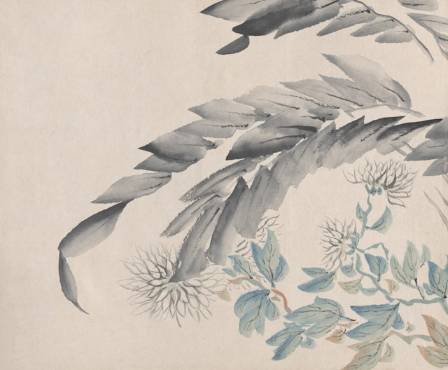
Bird-and-flower painting is characterized by two primary stylistic schools and multiple color-rendering techniques, each reflecting distinct artistic aesthetics and creative approaches. The first major style is gongbi (meticulous brushwork), which emphasizes precision, detail, and vivid coloring. Artists using gongbi techniques employ fine brushes to outline subjects with delicate, continuous lines (xian miao), then fill in colors layer by layer with meticulous attention to shading and texture. The result is a lifelike, elegant work with rich hues and exquisite details—often depicting courtly scenes, rare flowers, and exotic birds, as seen in the masterpieces of Huang Quan from the Five Dynasties. The second style is xieyi (freehand brushwork), which prioritizes spirit over form, using bold, fluid brushstrokes and minimal colors to convey the essence and vitality of subjects. Xieyi artists focus on capturing the “momentary spirit” (yi ji) of nature, emphasizing emotional expression and artistic conception over precise representation. This style is often associated with literati painters, who used it to express their inner thoughts and free-spirited personalities, as exemplified by Xu Wei’s splashed ink (pomo) works. In terms of color rendering, bird-and-flower painting includes four main techniques: shese (multi-color rendering), which uses vibrant, layered colors to create a rich, vivid effect (common in gongbi); shuimo (ink-and-wash), which relies solely on black ink of varying densities to create depth and mood (a hallmark of xieyi); baimiao (monochrome sketching), which uses only lines without color to highlight the structure and rhythm of subjects; and mogu (boneless technique), which abandons outline lines entirely, using diluted ink or color to wash and blend, creating soft, ethereal images that emphasize the harmony of light and shadow. These techniques and styles are not mutually exclusive—many artists integrate elements of both gongbi and xieyi to create unique works that balance detail and spirit.
Historical Development: From Decorative Patterns to Artistic Mastery
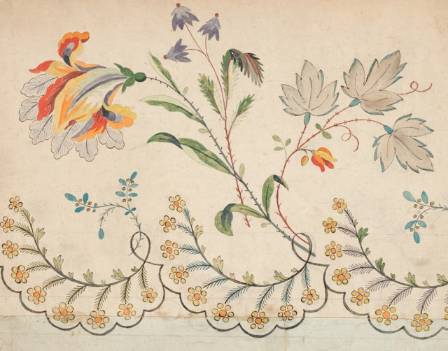
The origins of bird-and-flower painting can be traced back to prehistoric times, where patterns of birds, fish, and plants appeared on colored pottery (such as the Yangshao and Majiayao cultures). These early motifs were primarily decorative, reflecting ancient humans’ reverence for nature and their daily interactions with the natural world. During the Qin and Han dynasties, bird-and-flower themes expanded to murals, stone carvings, and silk paintings, becoming more diverse and expressive. However, it was not until the Sui and Tang dynasties that bird-and-flower painting emerged as an independent fine art genre, with the rise of professional painters and the maturation of artistic techniques. During this period, artists began to emphasize both brushwork skill and spiritual expression, laying the philosophical foundation for the genre. Painters such as Xue Ji and Bian Luan created works that balanced realism and elegance, setting the stage for future development.
The Five Dynasties marked a pivotal period, with two influential styles emerging: the “wild and unrestrained” (xiye) style of Xu Xi and the “luxurious and refined” (fugui) style of Huang Quan. Xu Xi, a hermit painter, focused on depicting wild flowers, birds, and insects in natural settings, using simple ink-and-wash techniques to convey a sense of rustic charm and freedom. Huang Quan, a court painter, specialized in painting rare flowers, exotic birds, and precious beasts, employing meticulous gongbi techniques and rich colors to reflect the grandeur of the imperial court. These two styles—representing literati and court aesthetics—had a profound impact on the development of bird-and-flower painting.
The Northern Song dynasty witnessed the full maturity and golden age of bird-and-flower painting. Professional painters flourished, and the genre became highly valued by the imperial court and literati alike. Artists such as Zhao Chang, known for his “sketching from life” (xiesheng) approach, spent hours observing nature to capture the most vivid moments of plants and creatures. Cui Bai broke away from the rigid traditions of the Huang family, introducing dynamic compositions and naturalistic scenes that emphasized the interaction between subjects and their environment. Most notably, Emperor Huizong (Zhao Ji), a passionate art enthusiast and accomplished painter, elevated bird-and-flower painting to new heights. His works, such as Hibiscus and Golden Pheasant, combined exquisite gongbi brushwork with elegant calligraphy (his signature “slender gold” script), featuring precise details, lustrous colors, and profound spiritual connotations. Emperor Huizong also established the Imperial Academy of Painting, promoting the development of bird-and-flower painting through official patronage.
During the Southern Song and Yuan dynasties, bird-and-flower painting shifted toward a more literati-oriented style, with the “Four Noble Ones” (plum, orchid, bamboo, chrysanthemum) becoming the dominant subjects. Literati painters, often scholars who retreated from official life, used these plants to express their moral integrity, loneliness, and love for nature. They favored xieyi and ink-and-wash techniques, prioritizing artistic conception and personal expression over formal beauty. Artists such as Wang Mian (famous for plum blossoms) and Ni Zan (known for bamboo) created works that were simple, elegant, and full of poetic charm.
The Ming dynasty brought new innovations to bird-and-flower painting, with the Wu School (represented by Shen Zhou, Wen Zhengming, and Tang Yin) blending gongbi and xieyi techniques to create harmonious, lyrical works. Later, Xu Wei revolutionized the genre with his bold splashed ink (pomo) style, incorporating cursive calligraphy techniques to create dynamic, expressive works that conveyed intense emotions. His Grapes in Splashed Ink is a masterpiece of this style, using sweeping brushstrokes and overlapping ink washes to depict grapes hanging from a vine, capturing both the form and the spirit of the subject with unparalleled freedom. Xu Wei’s innovation deeply influenced Zhu Da (Bada Shanren), a Ming loyalist who lived in the early Qing dynasty. Zhu Da’s works were characterized by distorted, symbolic subjects and stark ink contrasts, reflecting his grief over the fall of the Ming and his rejection of worldly affairs. His unique style pushed xieyi bird-and-flower painting to an unprecedented level of artistic expression.
In modern times, artists such as Wu Changshuo, Qi Baishi, and Pan Tianshou continued to innovate while honoring tradition. Wu Changshuo integrated seal-carving techniques into his brushwork, creating works with strong, powerful lines and rich textures. Qi Baishi, known for his “like yet unlike” philosophy, combined folk art simplicity with literati elegance, depicting common subjects (such as shrimp, frogs, and peaches) in a vivid, humorous style that resonated with people from all walks of life. Pan Tianshou emphasized the “great beauty of nature,” creating grand compositions with bold brushwork and striking contrasts, redefining the scale and vision of bird-and-flower painting. These masters breathed new life into the genre, ensuring its continued vitality in the modern era.
Cultural Significance and Contemporary Relevance
Bird-and-flower painting is more than an artistic form—it is a carrier of Chinese culture, embodying the nation’s philosophy, aesthetics, and moral values. At its heart lies the Confucian ideal of cultivating virtue through art, as artists use symbolic subjects to promote integrity, modesty, resilience, and other noble qualities. It also reflects Taoist reverence for nature and the pursuit of harmony between humans and the natural world, encouraging viewers to appreciate the beauty of simplicity and the rhythm of life. For literati painters throughout history, bird-and-flower painting was a form of self-expression, allowing them to convey their emotions, ideals, and criticisms of society without direct confrontation. Today, bird-and-flower painting remains relevant as a bridge between tradition and modernity. It continues to inspire contemporary artists, who blend traditional techniques with modern concepts to create works that reflect current social and cultural contexts. In addition, it serves as a cultural heritage that connects Chinese people to their roots, fostering national identity and pride. Beyond China, bird-and-flower painting has gained international recognition, captivating art lovers around the world with its exquisite craftsmanship, profound symbolism, and spiritual beauty. It stands as a testament to the enduring power of art to transcend time and cultural boundaries, reminding us of the universal appreciation for nature, beauty, and virtue.
Conclusion
Bird-and-flower painting is a masterpiece of traditional Chinese art, with a history spanning millennia and a legacy that continues to thrive. From its humble origins as decorative patterns on prehistoric pottery to its evolution into a sophisticated art form blending realism, symbolism, and spiritual expression, it has captured the essence of nature and the human spirit. Its diverse techniques—from the meticulous detail of gongbi to the free-spirited brushwork of xieyi—and rich symbolic language reflect the depth and breadth of Chinese aesthetics. Through the hands of countless masters, from Emperor Huizong to Qi Baishi, bird-and-flower painting has not only recorded the beauty of the natural world but also conveyed the moral ideals and cultural values of Chinese civilization. In today’s fast-paced world, this timeless art form remains a source of peace, inspiration, and cultural pride, inviting us to slow down, appreciate nature, and reflect on the enduring virtues that connect humanity across time and space. As we celebrate its past achievements, we also look forward to its future, as new generations of artists continue to reinterpret and reimagine bird-and-flower painting, ensuring its place as a vital part of global artistic heritage.