Guinea pigs are fascinating and humorous rodents that possess a variety of unique characteristics. While many people recognize them as popular companion animals, their history, biology, and behaviors are filled with surprising details that highlight just how distinctive these small mammals truly are.
Longevity and Physical Variations
While the typical lifespan for a guinea pig ranges between seven and ten years, some individuals have far exceeded these expectations. The world record for longevity is held by a guinea pig named Snowball, who reached the remarkable age of 14 years and 10 months. This demonstrates that under exceptional circumstances, these animals can live nearly double their average life expectancy.
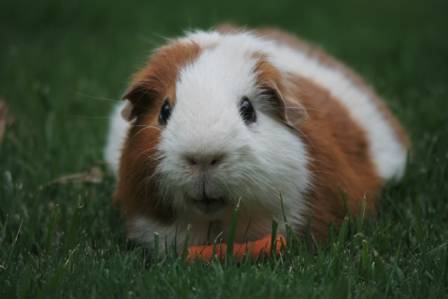
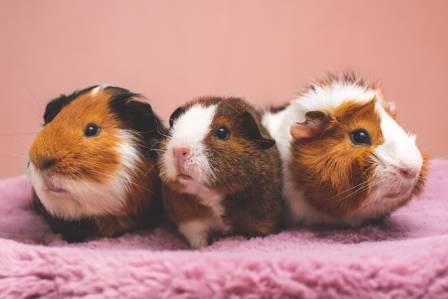
Physical size also varies dramatically within the species. In South America, a specific variety known as the "Cuy" is bred to be significantly larger than the average pet. these giants can grow up to 50 centimeters in length and weigh as much as 4 kilograms. Beyond size, guinea pigs exhibit a vast array of coat types and colors. There are over 20 recognized varieties, ranging from the smooth-coated short-haired types to long-haired breeds and the Abyssinian, which is famous for the distinctive hair swirls, or rosettes, that cover its body. There are even controversial furless varieties, though these often come with specific health considerations.
Sensory Capabilities and Unique Biology
The sensory world of a guinea pig is much sharper than our own, particularly regarding auditory range. While humans generally hear sounds up to 20,000 Hz, guinea pigs can detect frequencies as high as 46,000 Hz. Because of this sensitivity, loud or chaotic environments can be particularly stressful and physically uncomfortable for them.
Their digestive health is maintained through a unique process called caecotroph nutrition. Guinea pigs produce two distinct types of droppings and intentionally consume the nutrient-rich variety produced in the caecum. This behavior allows them to re-ingest essential B vitamins and vitamin K, which are vital for a functional metabolism and a healthy digestive tract. Even their skeletal structure is unconventional; they typically possess four toes on their front paws and only three on their rear, though some individuals are born with extra digits, a condition known as polydactyly.

Development and Behavioral Communication
One of the most impressive aspects of guinea pig biology is their rapid development. Baby guinea pigs actually shed their milk teeth while still in the womb. Consequently, they are born with a permanent set of teeth and are capable of eating solid food within their first 24 hours of life. As they grow, they use specific body language to communicate their feelings. For instance, if a guinea pig repeatedly jerks its head upward while being touched, it is a clear signal that it wishes to be left alone and is protesting the interaction.
When they are experiencing intense joy, guinea pigs exhibit a behavior known as "popcorning." This involves sudden, energetic leaps and twists in the air, resembling corn kernels jumping in a hot pan. This playful display is widely regarded as a sign of peak happiness and physical well-being.
Cultural History and Unusual Trivia
Guinea pigs have left their mark on history and popular culture in unexpected ways. U.S. President Theodore Roosevelt was a notable enthusiast, keeping five guinea pigs with formal names like Admiral Dewey and Bishop Doan. Their cultural impact is further recognized by "Guinea Pig Appreciation Day," which is celebrated every July 16th to honor these animals and promote their welfare.
In the realm of unusual trivia, the world of online auctions once saw a suit of hand-crafted guinea pig armor—complete with a tiny helmet—sell for over $24,000. These stories, combined with their scientific and biological quirks, prove that guinea pigs are much more than simple household pets; they are complex creatures with a rich and varied existence.